01
A good local gift answers three questions
- 1
Who made or grew it? Look for a producer or maker name rather than only a Cyprus-themed label.
- 2
Where was it made? A village, workshop or growing area gives the item real context.
- 3
Will it survive the journey? Check weight, fragility, temperature needs, seals and destination rules.
02
Food gifts that are easier to plan around
Official Cyprus tourism material highlights olive products, honey, spoon sweets and preserves, carob products, herbs, pulses and other regional foods. For travel, choose commercially sealed or properly labelled products with intact packaging, ingredients and a durability date where required.
Olive oil, carob syrup, honey and preserves are liquids or gels for airport-security purposes, so cabin limits may apply. Pack them upright in checked luggage only if the container is well sealed, protected from impact and allowed by your airline and destination.
| Gift | Why it can work | Travel check |
|---|---|---|
| Dried herbs | Light, useful and strongly connected to everyday cooking | Plant-product rules at the destination; sealed, labelled pack |
| Honey or preserves | Longer keeping and easy to share | Liquid restrictions, glass protection, destination food rules |
| Olive or carob products | Shelf-stable choices exist in many sizes | Seal, ingredients, luggage weight and liquid rules |
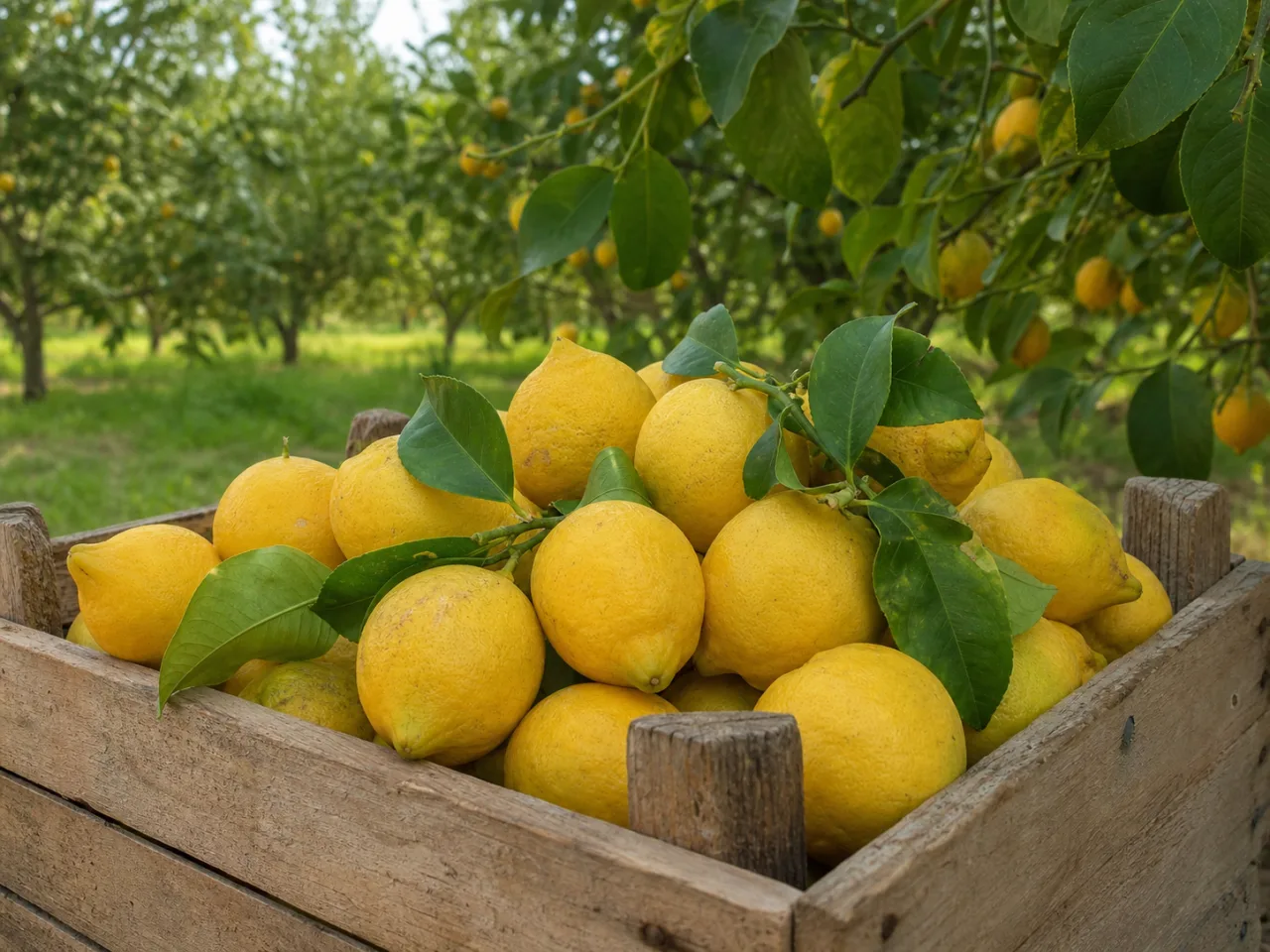
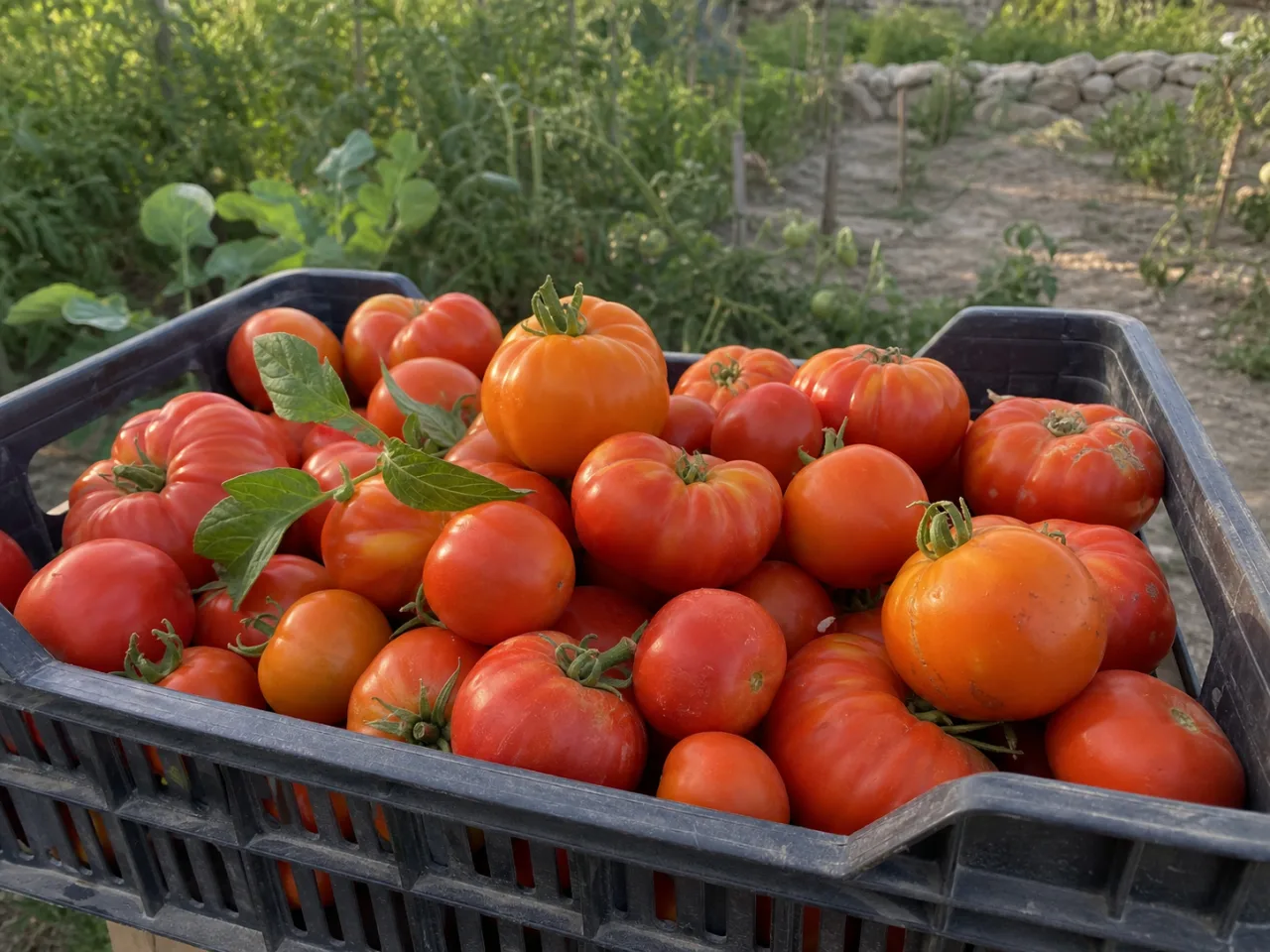
| Fresh fruit or plants | A direct taste of the season | Plant-health and destination restrictions; short keeping time |
| Cheese or meat products | Important local food traditions | Refrigeration plus animal-product and destination rules |
03
Crafts carry place without a food deadline
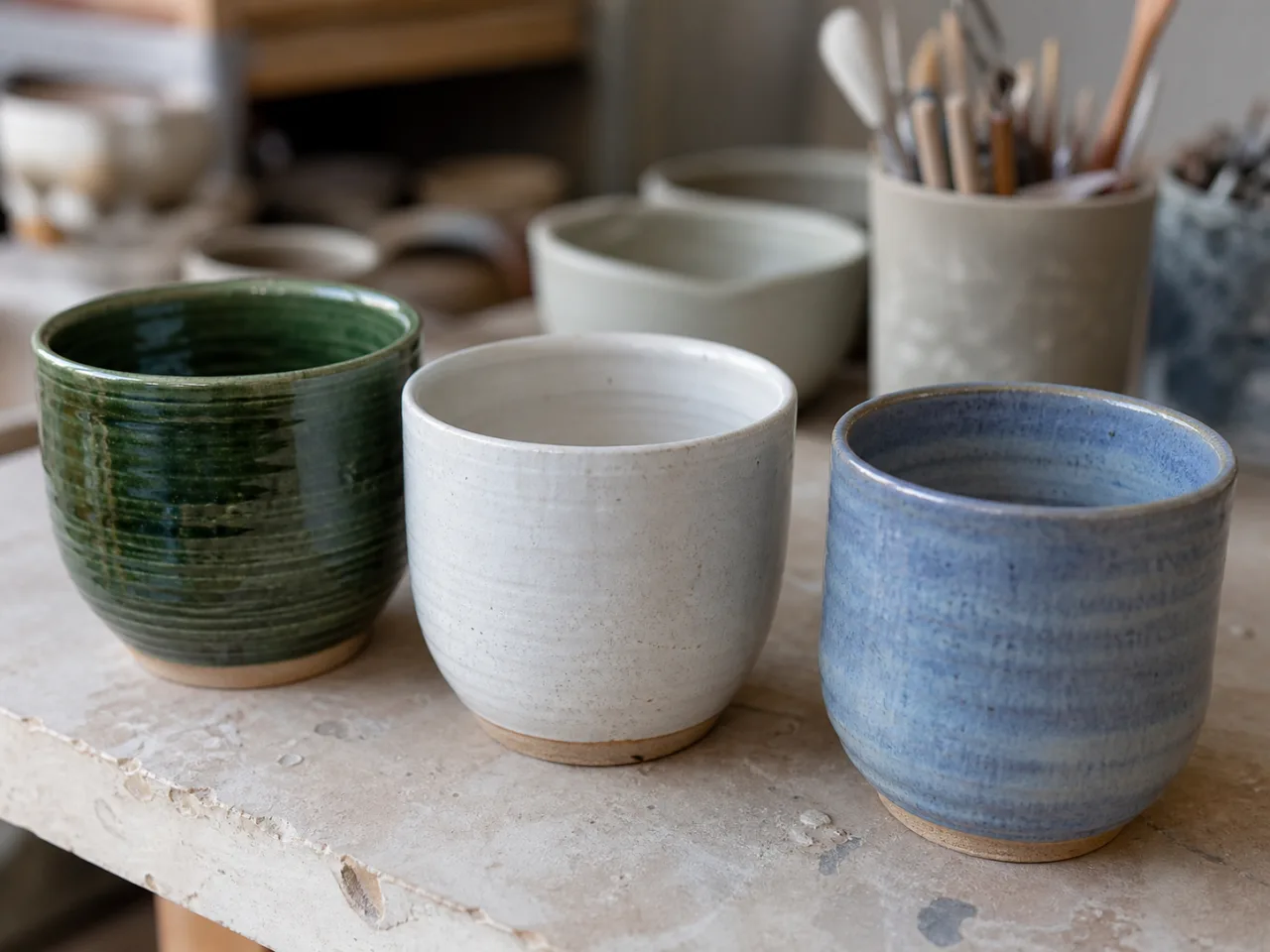
Visit Cyprus points to locally made lace, pottery and other handicrafts as part of the island’s shopping tradition. A direct maker purchase can give you useful details about material, method and care, but ask rather than inventing a story from appearance alone.
For pottery, check for cracks, ask whether it is food-safe if you plan to drink or eat from it, and wrap each piece separately inside the middle of your luggage. For textiles, ask about fibre, washing and whether the work was handmade, machine-assisted or designed locally.
- Choose a size and weight you would still value after adding baggage costs.
- Ask the maker for care instructions and keep their name with the gift.
- Photograph the item before packing in case you need to identify it after damage.
- Avoid products made from protected plants, animals or archaeological material.
04
Check the rule for the journey you are taking
EU guidance says travellers moving within the EU can carry meat, dairy, fruit, vegetables and plant products for personal consumption when the conditions are met, but plant-health restrictions can apply during pest or disease outbreaks. Travelling outside the EU means the destination country’s import rules control what you may bring in.
Airline baggage rules are separate from customs and food rules. A product can be legal to import but too large for cabin liquids, unsafe without refrigeration or poorly packed for a flight. Check all three: destination authority, airport security and airline.
05
What to ask a local maker or producer
- Was this made or grown by you? If not, who is the producer?
- Where in Cyprus was it made?
- What materials or ingredients does it contain?
- How should it be stored, cleaned or cared for?
- Do you have a smaller or more travel-safe size?
Questions
Common questions
What food souvenirs can I bring home from Cyprus?
Sealed dried herbs, honey, preserves, olive or carob products may be practical choices, but the final answer depends on airport, airline and destination import rules.
Can I carry halloumi from Cyprus in my luggage?
Rules depend on your destination and route, and cheese must also remain safely chilled. Travellers within the EU have different personal-consumption rules from travellers leaving the EU. Check official guidance before buying it for travel.
How can I tell whether a souvenir was made in Cyprus?
Look for a named producer or maker, place of production, materials or ingredients and clear labelling. Ask a direct question rather than relying only on Cyprus-themed packaging.
Sources
Official references
We review official sources when a guide touches regulation, public markets or food safety. Always check the linked authority for the latest requirements.
- Visit Cyprus: authentic shopping in Cyprus Official tourism overview of local handicrafts and food gifts.
- Visit Cyprus: local produce Official overview of ingredients and products associated with Cyprus.
- Your Europe: carrying food or plants in the EU Current EU guidance for personal luggage; non-EU destinations have their own rules.