01
The Cyprus produce calendar at a glance
Think of this table as a shopping prompt. Protected growing, irrigation and different elevations mean many crops appear outside their traditional peak. The best signal is still a grower who can tell you where and when something was harvested.
| Month | Fruit to look for | Vegetables and herbs |
|---|---|---|
| January | Oranges, mandarins, lemons, grapefruit | Potatoes, broccoli, cauliflower, leafy greens, celery |
| February | Citrus, early strawberries | Artichokes, peas, broad beans, leafy greens, potatoes |
| March | Citrus, strawberries, early loquats | Artichokes, peas, broad beans, greens, fresh herbs |
| April | Strawberries, loquats, late citrus | Broad beans, peas, cucumbers, courgettes, herbs |
| May | Loquats, cherries, apricots, strawberries | Tomatoes, cucumbers, courgettes, green beans |
| June | Cherries, apricots, peaches, nectarines, melons | Tomatoes, cucumbers, peppers, aubergines, green beans |
| July | Watermelon, melon, peaches, figs, early grapes | Tomatoes, cucumbers, peppers, aubergines, okra |
| August | Figs, grapes, prickly pears, watermelon, melon | Tomatoes, peppers, aubergines, okra, fresh herbs |
| September | Grapes, figs, prickly pears, early pomegranates | Peppers, aubergines, pumpkins, late tomatoes |
| October | Pomegranates, apples, pears, early citrus | Pumpkins, olives, potatoes, leafy greens |
| November | Pomegranates, oranges, mandarins, lemons | Potatoes, broccoli, cauliflower, leafy greens, olives |
| December | Oranges, mandarins, lemons, grapefruit | Potatoes, broccoli, cauliflower, greens, celery |
02
Winter into spring: citrus, greens and tender pods
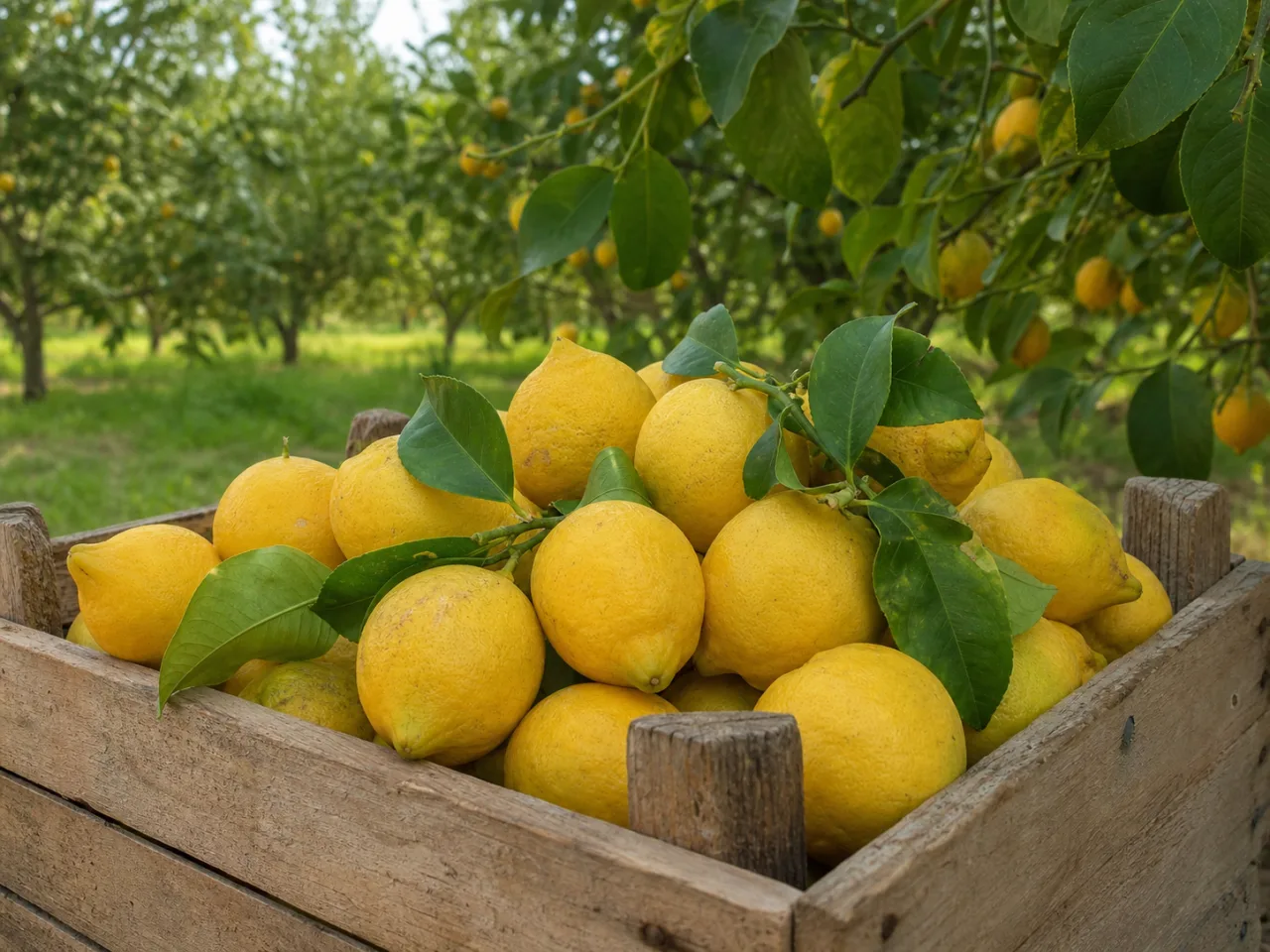
From December into March, local citrus is easy to recognise by its fragrance and variety. This is a good time to ask about oranges for eating, more acidic fruit for juice, and unwaxed lemons if you plan to use the peel.
Cooler weather also favours leafy greens, cauliflower, broccoli, artichokes, peas and broad beans. The exact mix changes quickly. A seller with a small garden may have a generous amount for only one or two weekends, which is exactly the kind of short-lived surplus Local Finds is designed to surface.
03
Late spring and summer: buy flavour, not perfection
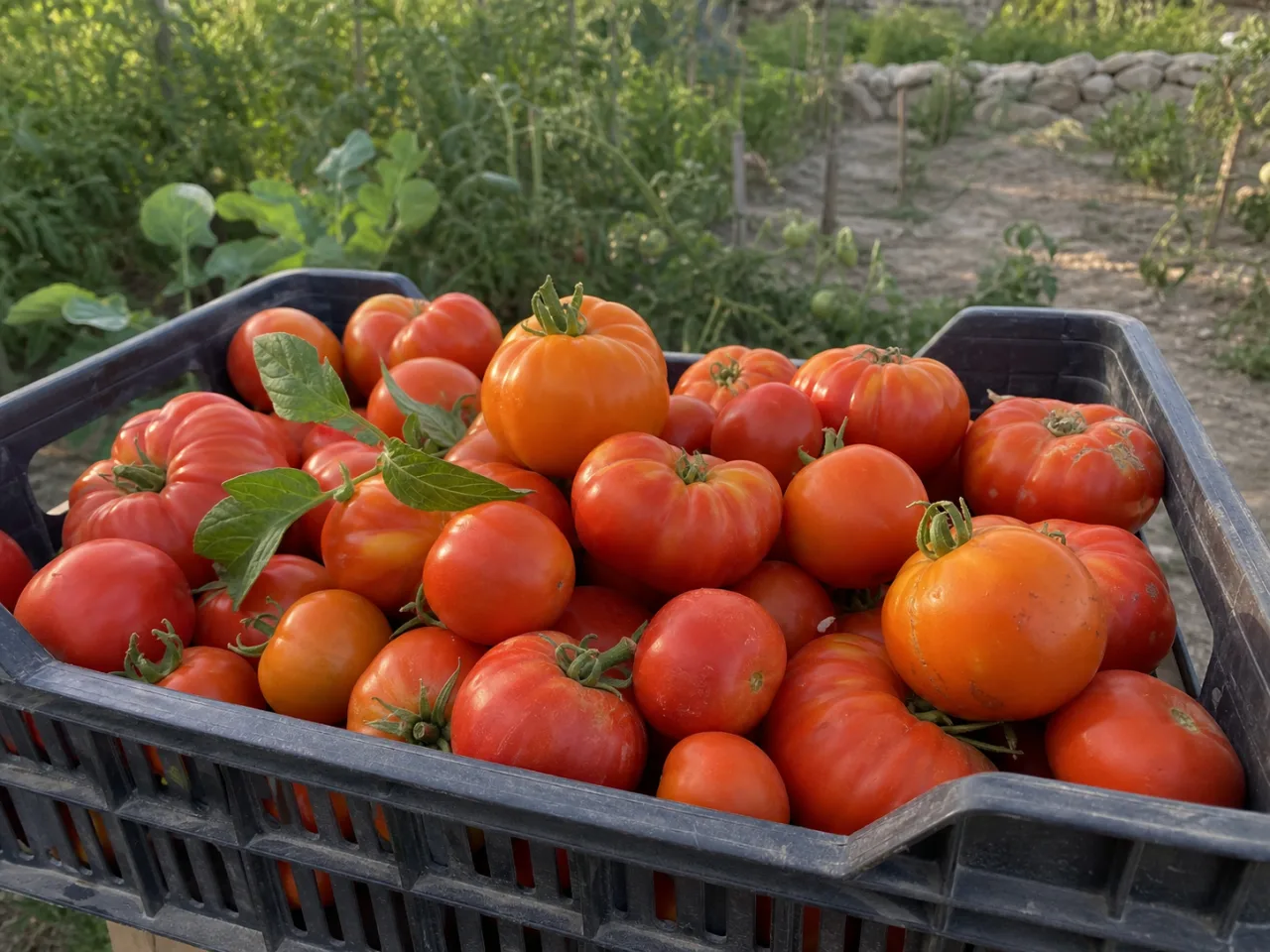
By May, the market turns towards tomatoes, cucumbers, courgettes, peppers and aubergines. Stone fruit and melons follow. During the hottest months, produce can move from firm to fully ripe very quickly, so ask whether it is for eating today, keeping for a few days, or cooking down.
Garden produce is rarely uniform. Small marks, uneven shapes and mixed sizes are normal. Check for damage or spoilage, but do not confuse cosmetic variation with poor quality. For sauces, jams and preserves, very ripe or imperfect fruit can be the best-value choice.
- For tomatoes, ask whether they were picked ripe or need another day indoors.
- For melons, ask the grower which signs they use for ripeness rather than relying on colour alone.
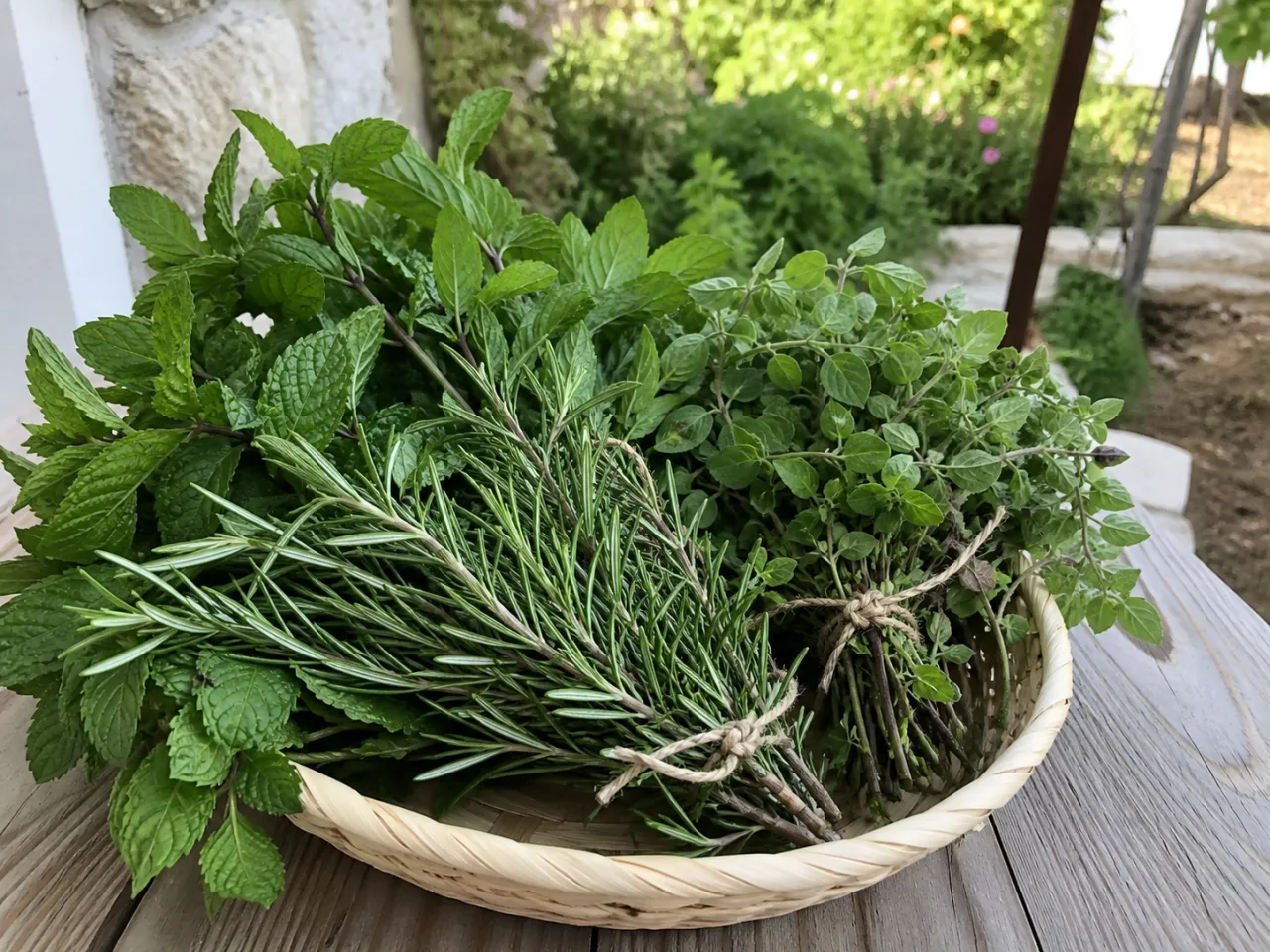
- For herbs, ask whether they were cut that day and keep them shaded on the journey home.
- For figs and soft stone fruit, bring a shallow container so they are not crushed.
04
Autumn: grapes, figs, pomegranates and the olive harvest
Late summer runs into an abundant early autumn. Grapes and figs overlap with pomegranates, pumpkins and the beginning of olive activity. In higher villages, apples and pears add another layer to the season.
This is also when preserving becomes useful. Before buying a large box, decide what you can eat fresh, share, freeze, pickle or cook. Buying directly works best when a grower can move a glut without transferring the waste to the buyer.
05
Four questions that reveal more than a label
- 1
Where was it grown? “Local” is clearer when the seller can name the village or area.
- 2
When was it picked? Harvest date often tells you more about flavour and keeping time than appearance.
- 3
How should I store it? The person who grew it usually knows whether it needs the fridge, shade or a day on the counter.
- 4
Do you expect more next week? A short answer can help you plan preserving, repeat purchases or a larger order.
Questions
Common questions
What fruit is in season in Cyprus in summer?
Summer commonly brings watermelons, melons, peaches, nectarines, apricots, cherries early in the season, then figs and grapes. Timing varies by elevation, weather and grower.
When are oranges and lemons in season in Cyprus?
Citrus is most strongly associated with the cooler months, generally from late autumn through spring. Different varieties mature at different times, and lemons may be available for much longer.
Does seasonal always mean locally grown?
No. A crop can be in season somewhere else and imported. Ask where it was grown and when it was harvested if origin matters to you.
Sources
Official references
We review official sources when a guide touches regulation, public markets or food safety. Always check the linked authority for the latest requirements.
- European Commission fruit and vegetables calendar An indicative calendar for Mediterranean and other EU climate zones.
- Visit Cyprus: OCHI Open Market Official tourism information describing seasonal produce sold by farmers.