01
The first hour matters
Do not leave a mixed produce box in a hot car. Get it into shade, then separate firm items from anything bruised, split or fully ripe. One leaking tomato or crushed fig can quickly affect the rest.
Decide what you will eat first, what needs refrigeration and what can stay in a cool, ventilated place. If the grower gave specific advice for that variety, use it—their experience is often more useful than a generic rule.
02
A practical storage cheat sheet
| Produce | Best first move | Watch for |
|---|---|---|
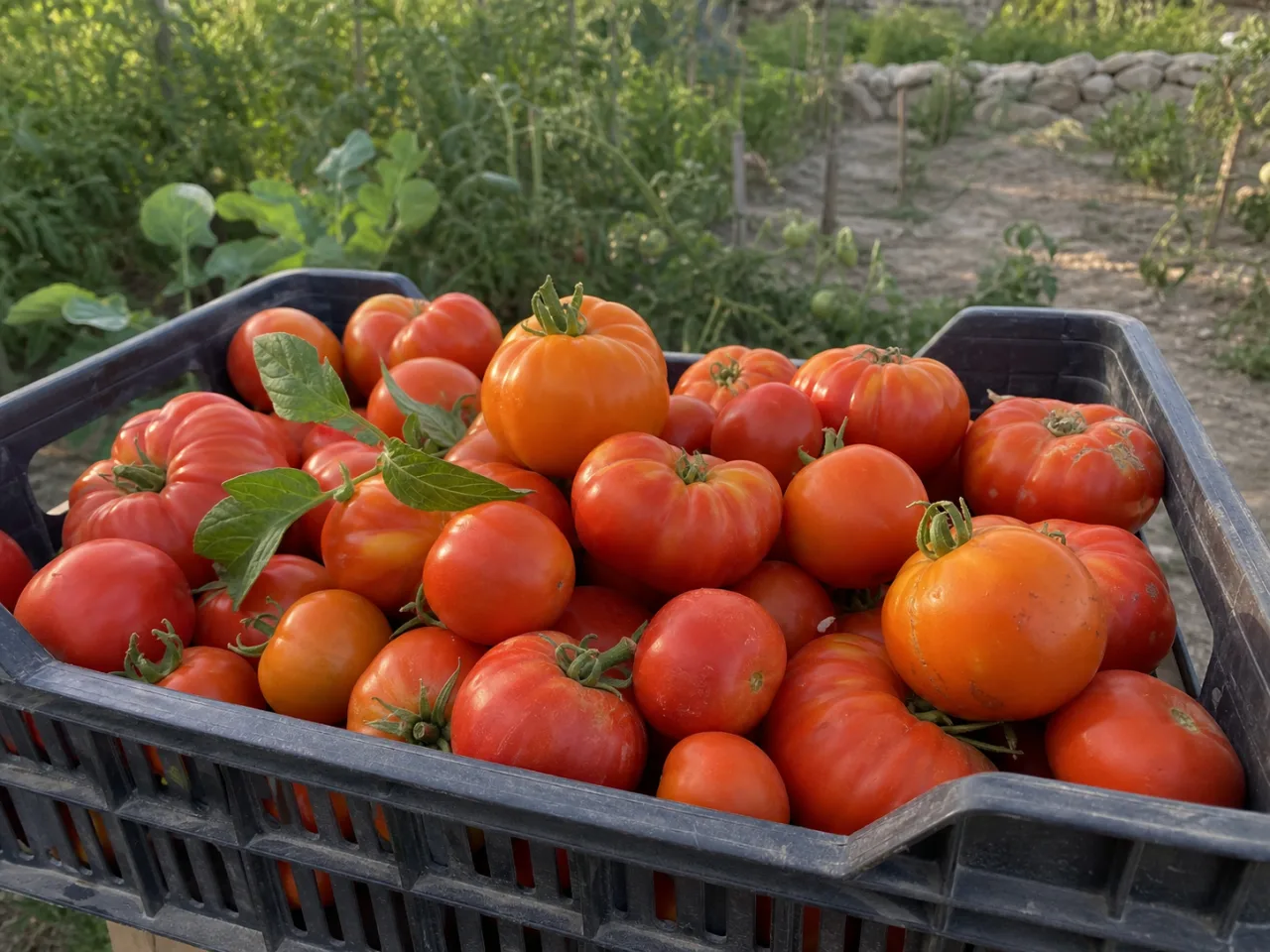
| Tomatoes | Keep at room temperature until ripe, out of direct sun | Soft spots; refrigerate ripe fruit if you need extra time |
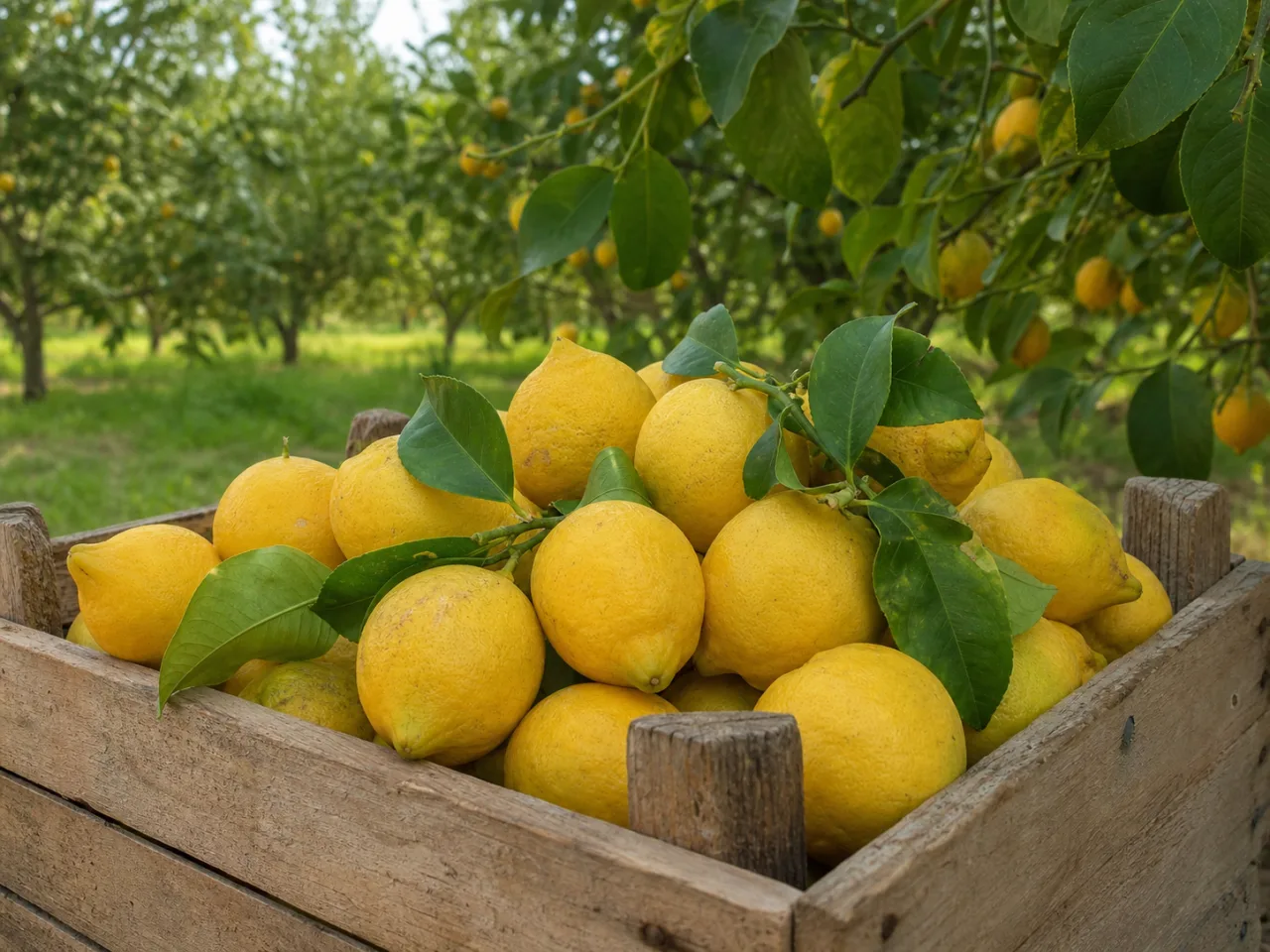
| Lemons and citrus | Cool room for short use; refrigerate for longer keeping | Mould around damaged peel; one bad fruit can spread |
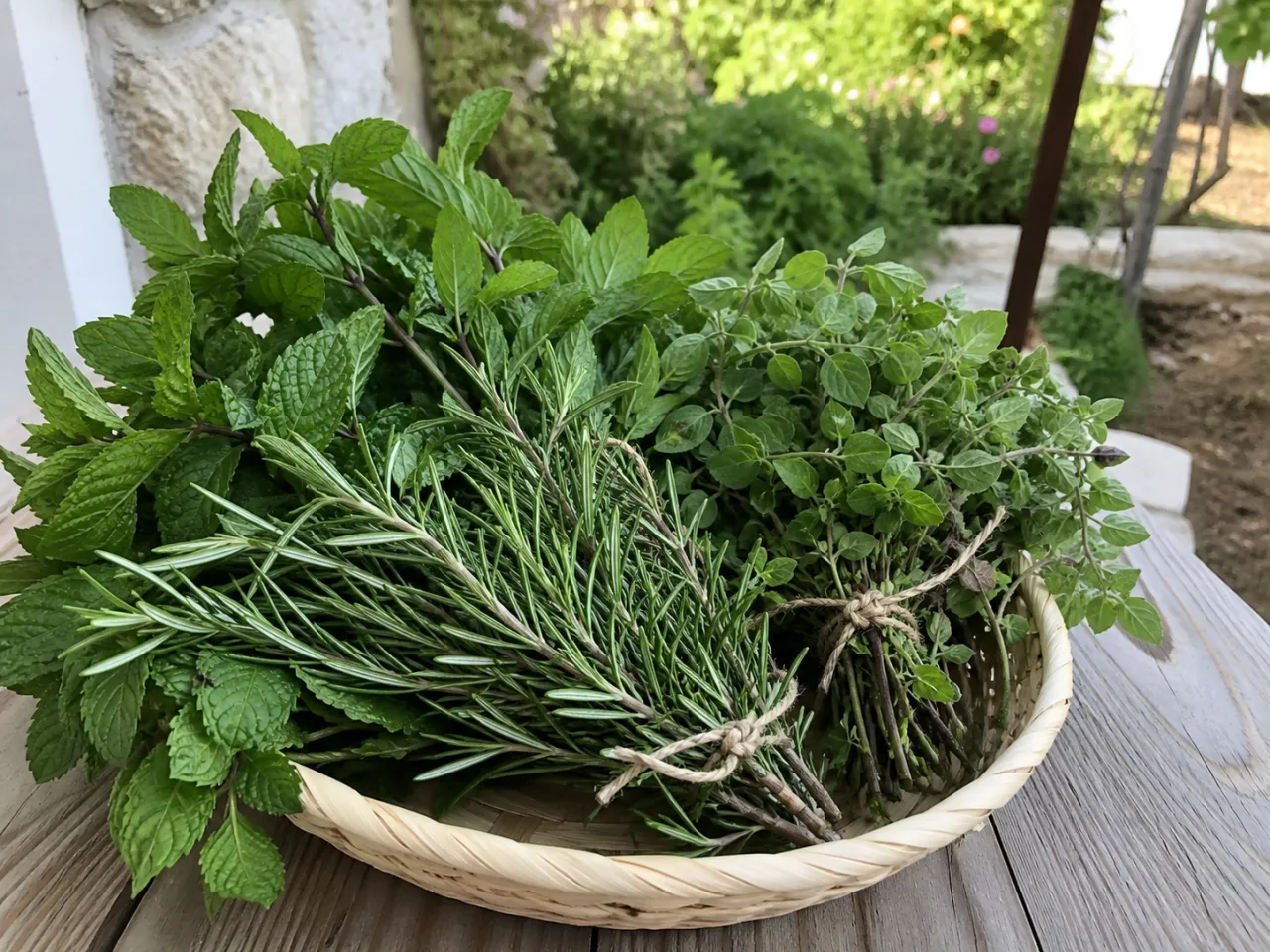
| Fresh herbs | Remove damaged leaves; wrap or stand stems with light moisture | Excess water, crushed leaves and fridge cold spots |
| Leafy greens | Cool promptly in a breathable container with a dry towel | Condensation, slime and tightly packed leaves |
| Potatoes | Dark, cool, dry and ventilated place | Sunlight, moisture, sprouting; keep away from onions |
| Figs and soft fruit | Refrigerate in a shallow single layer and eat soon | Crushing, leaking and fermentation |
| Seedlings | Move to bright shade, check moisture, transplant promptly | Sudden midday sun, waterlogged roots and drying wind |
03
Treat tender and woody herbs differently
Tender herbs such as mint lose water quickly. Remove any damaged leaves, keep the stems lightly hydrated and protect the leaves from the coldest part of the fridge. A loose cover can reduce wilting without trapping heavy condensation.
Woody herbs such as rosemary and thyme tolerate drier storage. Wrap them loosely in a barely damp towel or dry them if you have more than you can use. Label frozen or dried herbs with the date; a freezer full of anonymous green bundles is delayed waste, not preservation.
04
Have a plan for the surplus before it arrives
- Ripe tomatoes: roast, cook into sauce or freeze after preparation.
- Lemons: zest before juicing and freeze measured juice for cooking.
- Herbs: make a sauce, dry woody varieties or freeze chopped herbs for cooked dishes.
- Peppers and aubergines: roast a full tray while the oven is on.
- Fruit: share the best fresh pieces and preserve only what you can process safely.
05
Buy the amount your week can absorb
A low per-kilogram price is not good value if half the box spoils. Share a larger batch with a neighbour, ask the seller for a smaller quantity, or choose a mix of ripe and firm produce. Good direct buying reduces waste on both sides of the handover.
Questions
Common questions
Should tomatoes go in the fridge?
Keep unripe tomatoes at room temperature away from direct sun. Once ripe, refrigeration can buy extra time; let them warm slightly before eating for better flavour.
How do I keep fresh herbs from wilting?
Remove damaged leaves, give stems light moisture, avoid crushing, and protect tender herbs from very cold fridge spots. Too much trapped water encourages spoilage.
Is imperfect produce safe to eat?
Unusual shape or superficial marks are not the same as spoilage. Reject produce with mould, leaking decay, strong off odours or damage that makes it unsafe, and use bruised but sound items quickly.
Sources
Official references
We review official sources when a guide touches regulation, public markets or food safety. Always check the linked authority for the latest requirements.
- European Commission: reducing food waste European Commission overview of food-waste prevention.